Dryer Vent Cleaning
Lint-packed ducts, crushed transitions and stuck exterior flaps. We clear the full vent run and measure airflow when we finish.
See the repairA dryer that tumbles but stays cold usually has a blown thermal fuse, a failed heating element or a weak igniter. We find the part and check the airflow that caused it.
$145 to $265 typical for thermal fuse and thermostat
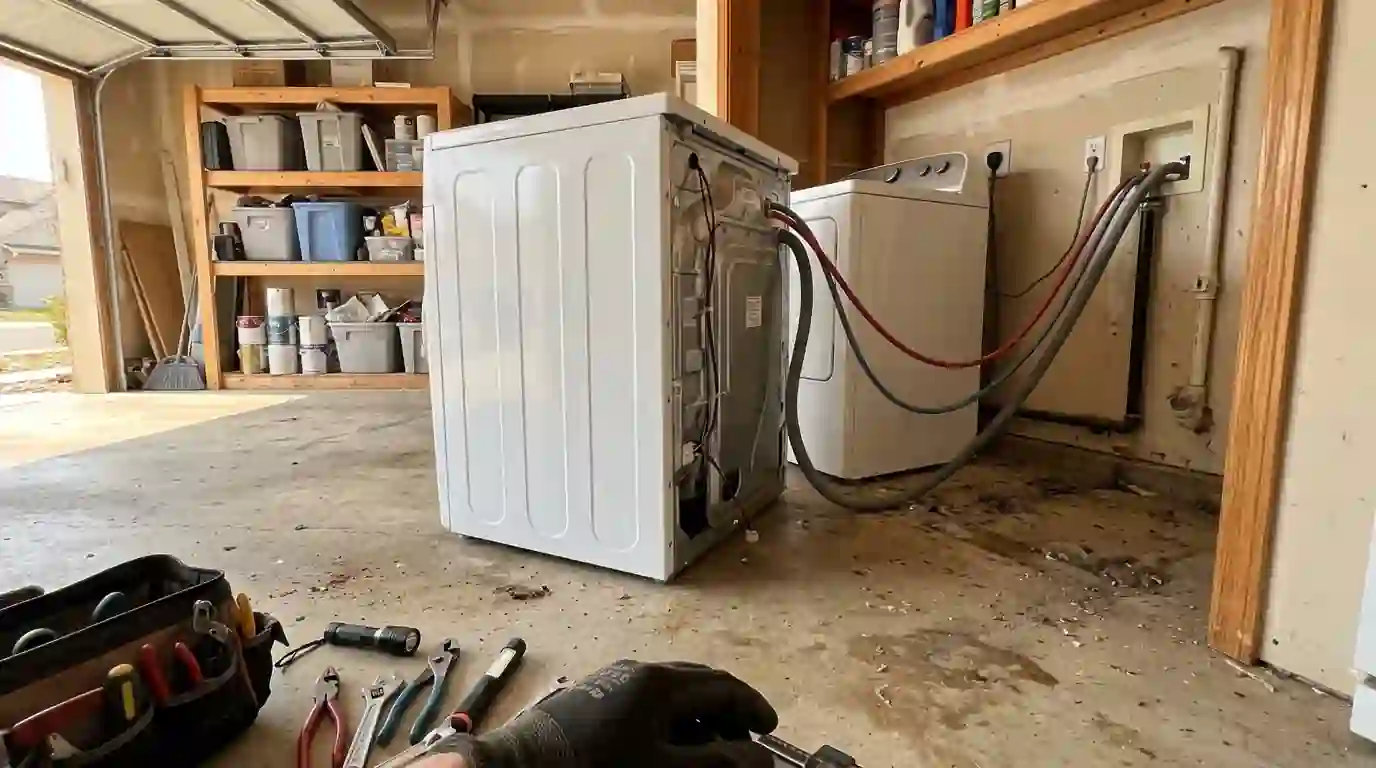
Dryer repair usually means testing the thermal fuse, high limit thermostat, heating element or gas igniter and valve coils, plus the belt, rollers and door switch. Stop using a dryer that smells hot, clean the lint screen, and call us. We repair gas and electric dryers at home and give you the price before work begins.
We repair Whirlpool, GE, Samsung, LG, KitchenAid, Bosch, Sub-Zero, Wolf, Thermador and the other names found in Valley kitchens and laundry rooms.
Safe checks only. If anything smells hot, sparks or involves gas, stop and call.
Every dryer has safety parts that cut the heat if the drum gets too hot. A thermal fuse blows once and must be replaced, while a high limit thermostat opens and resets. When either trips, the dryer still tumbles but produces no heat.
The safety part usually trips for a reason. Restricted airflow from a crushed duct or a clogged vent is the most common one. Replacing the fuse without fixing the airflow means it blows again in a few weeks.
Gas and electric dryers share the drum, belt, rollers and safety parts. Electric dryers heat with a coil element on a 240 volt circuit, while gas dryers use an igniter, a flame sensor and gas valve coils. We work on both types.
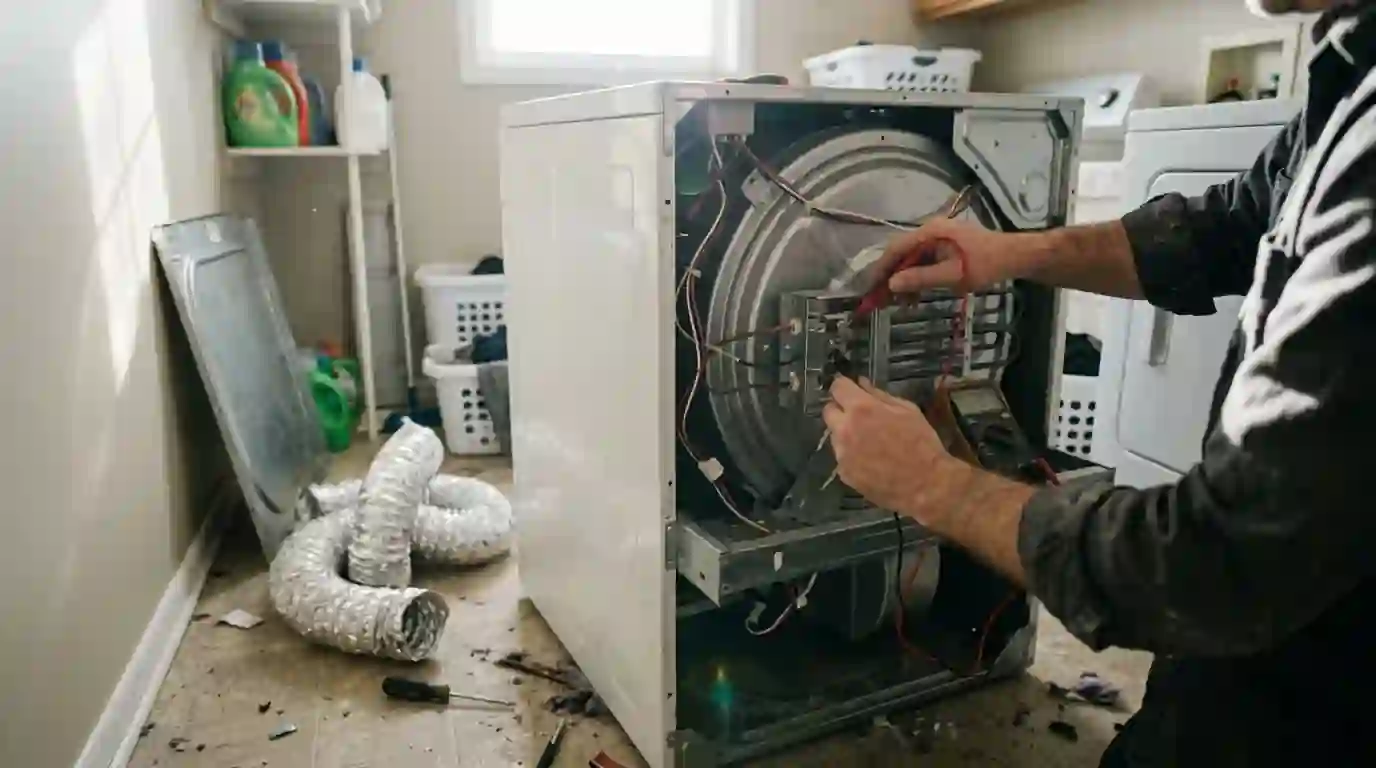
Every visit follows the same order, so you always know what comes next and what it costs.
Tell us gas or electric and what the dryer is doing. We confirm a time window during that call.
We confirm 240 volts on electric models or gas supply on gas models before opening the cabinet.
We test the fuse, thermostats, element or igniter and the motor circuit.
We check vent airflow at the outside hood and give you the price before repairs.
After the repair we run a timed cycle and measure exhaust temperature.
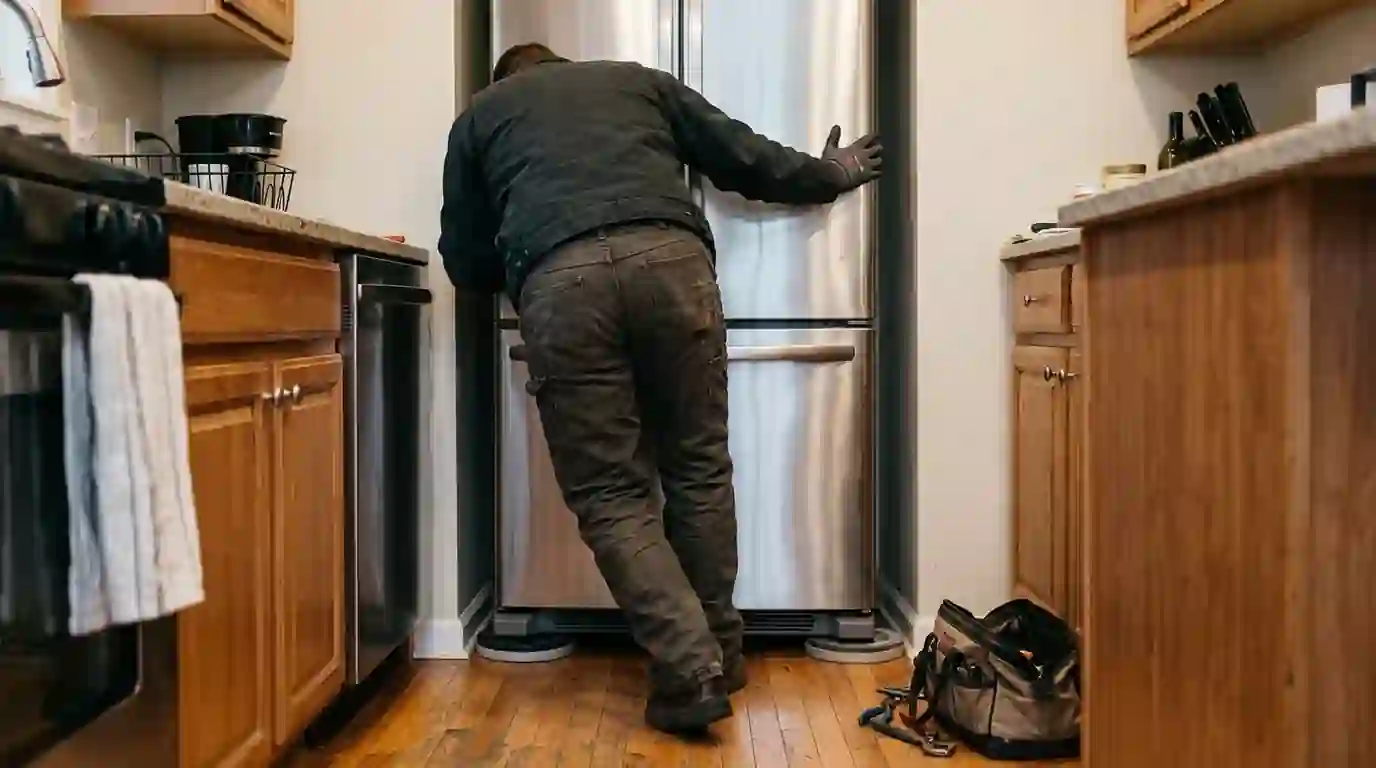
We test continuity on heating parts and safety devices, check voltage at the terminal block, and watch the gas burner light and cycle before naming a part. We repair Whirlpool, Maytag, Kenmore, GE, Samsung, LG, Electrolux, Speed Queen and other dryers.
Fuses, belts and rollers sit at the low end. Motors and control boards cost more, and gas valve work is priced after we test the coils.
| Repair | Typical range | What moves the price |
|---|---|---|
| Thermal fuse and thermostat | $145 to $265 | Number of safety parts replaced |
| Electric heating element | $185 to $345 | Element style and access |
| Gas igniter or valve coils | $175 to $335 | Which part failed |
| Belt, rollers and idler | $195 to $365 | Drum design and parts set |
| Drive motor | $285 to $515 | Motor type and brand |
Your real price depends on the part and the diagnosis, and we tell you the price before we begin.
In the City of Los Angeles, gas dryers run on SoCalGas service and electric dryers draw from LADWP. Burbank, Glendale and Pasadena run their own city power utilities. Either way, an electric dryer needs both legs of a 240 volt circuit, and an older breaker or a loose terminal block can leave it with half power and no heat.
Many older Valley homes were wired before modern dryers, so we often find scorched cords and loose connections at the terminal block. On gas dryers, we check the flex connector and the shutoff valve for wear but never adjust gas piping beyond the appliance connection. If we see a supply problem, we tell you and stop the appliance until it is fixed.
Dryers are mechanically simple, and most of their parts are reasonably priced. A fuse, element, igniter, belt or roller kit is worth replacing on almost any dryer. Many dryers outlast the washer they were bought with.
A failed motor or control board on an older budget dryer may approach replacement cost. A rusted drum that snags clothes is another reason to replace. We give you the numbers and you decide.
Our Sun Valley office sends technicians across the Valley and the cities around it. These are the places we visit most for dryer repair.
The most common cause is a blown thermal fuse, often from a restricted vent. On electric dryers, the heating element or a tripped half of the breaker is next. On gas dryers, the igniter or the valve coils are common. We test each part on the heat circuit.
It can be. Lint near the heater, a slipping belt or an overheating motor can all cause it. Stop the dryer, unplug it, and clean the lint screen. Do not keep running the dryer until a technician has inspected it.
Yes. We repair gas dryers from Whirlpool, Maytag, GE, Samsung, LG and others, including igniters, flame sensors, valve coils and thermostats. We check the gas flex connector during the visit. Any problem with the house gas line itself needs the gas utility or a plumber.
Long dry times usually mean weak airflow through a clogged vent or crushed duct. A failing cycling thermostat or one heating coil leg can also slow the dryer. We measure exhaust airflow and temperature to see which one is the cause.
A dryer that keeps blowing fuses is overheating, almost always because of restricted exhaust airflow. A long, kinked or lint-packed vent is the usual cause. A failed cycling thermostat can also do it. Replacing only the fuse will not stop it happening again.
Squeaks usually come from worn drum rollers, a dry idler pulley or worn drum glides. A thump at each turn can mean a flat spot on a roller or a damaged belt. We replace these parts together on most dryers so the noise does not return.
Lint-packed ducts, crushed transitions and stuck exterior flaps. We clear the full vent run and measure airflow when we finish.
See the repairTop-load and agitator washers that will not drain, spin, fill or stop leaking. We repair them in your garage or laundry room.
See the repairLaundry centers and stacked pairs in tight closets. We repair the washer, the dryer or both without dismantling your hallway.
See the repairRepair for the gas side of ranges, ovens, dryers and grills: igniters, burners, safety valves, thermocouples and flame sensors.
See the repairWasher and dryer installation with new fill hoses, a proper dryer vent connection, leveling and a test cycle on existing hookups.
See the repairCall now. We answer every hour of every day and will tell you what we will check first.