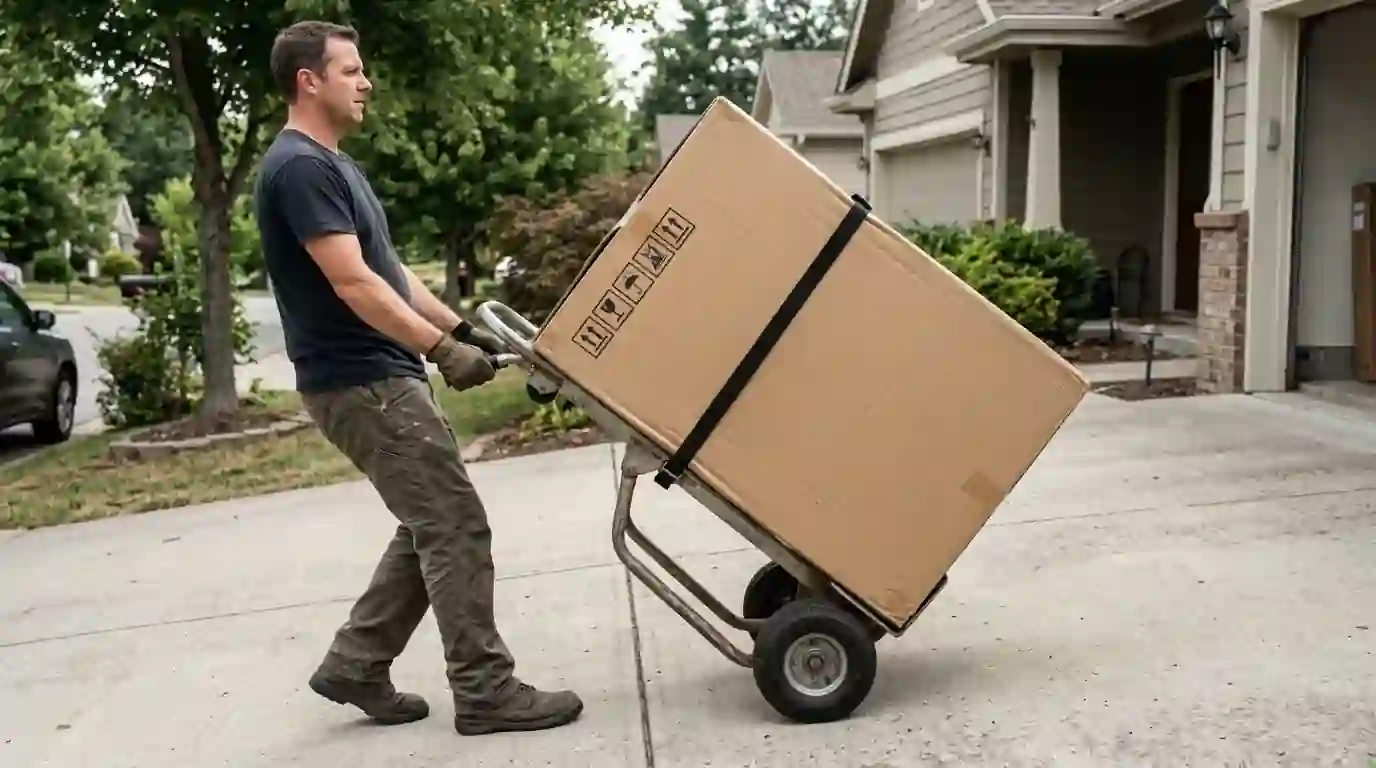
Look at three things: the machine's age compared with its typical lifespan, the repair price compared with a comparable new model, and the condition of everything else. A common rule of thumb says that if the repair costs more than about half of a new machine and the unit is past most of its expected life, replacement deserves a look. Built-in and high-end models are often worth repairing anyway.
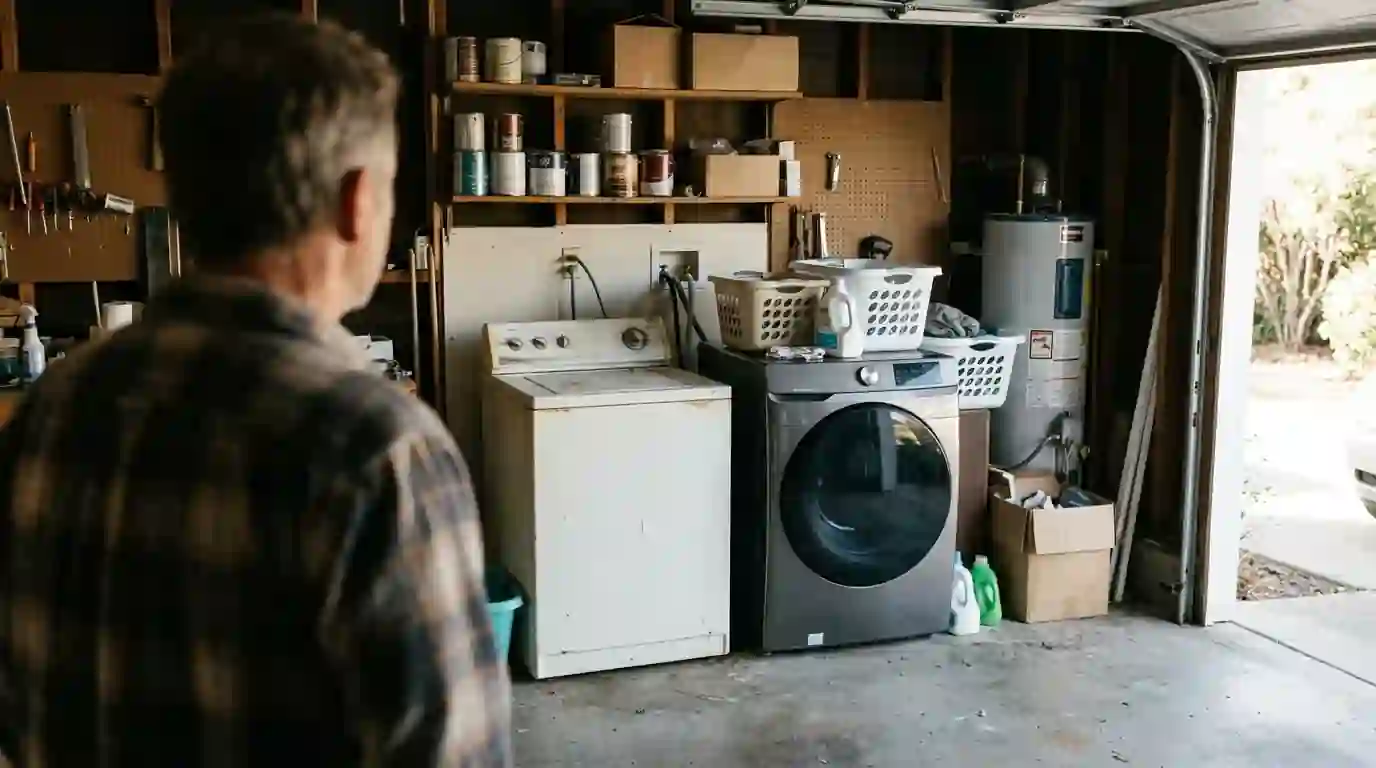
Start with the appliance's age and typical lifespan
Every appliance type has a rough working life, and knowing where yours sits on that curve changes the decision. A five-year-old washer with a failed pump is an easy repair. A fourteen-year-old refrigerator with a sealed system leak is a very different case. The model number sticker usually encodes the build date, or you can find it on the original paperwork.
The ranges below are general estimates, not promises. Care, usage and water quality all move the numbers up or down. A dishwasher in a busy home with hard Valley water may wear sooner, while a lightly used range can last well beyond its range.
- Refrigerators: roughly 10 to 15 years
- Dishwashers: roughly 8 to 12 years
- Washers: roughly 10 to 13 years
- Dryers: roughly 10 to 15 years
- Ranges and ovens: roughly 13 to 15 years
How the 50 percent rule of thumb works
The 50 percent rule is a simple guide many people use. If the repair costs more than about half the price of a comparable new appliance, and the machine has used up most of its typical life, replacing it often makes more sense. It is a starting point for the conversation, not a hard law.
The rule works best for standard machines with plenty of affordable replacements. It works poorly for built-in refrigerators, wall ovens and pro-style ranges, where a new unit can cost several thousand dollars and cabinet work. In those cases a repair that looks expensive is still a small share of the replacement cost.
Repairs that usually make sense on an older machine
Many common failures are inexpensive parts that wear out on schedule. Replacing them on an older machine can add several more years of service. If the cabinet, drum and motor are sound, there is little reason to throw away a working machine over one worn part.
Our technician looks at the whole appliance during the visit, not just the failed part. If the rest of the machine is in good shape, we will tell you that the repair is a sound investment. If several parts are near the end, we will say so plainly.
- Dryer belts, rollers, thermal fuses and heating elements
- Washer drain pumps, inlet valves and lid switches
- Refrigerator fan motors, defrost parts and door gaskets
- Oven igniters, bake elements and temperature sensors
- Dishwasher drain pumps, door latches and inlet valves
Warning signs that replacement is the smarter move
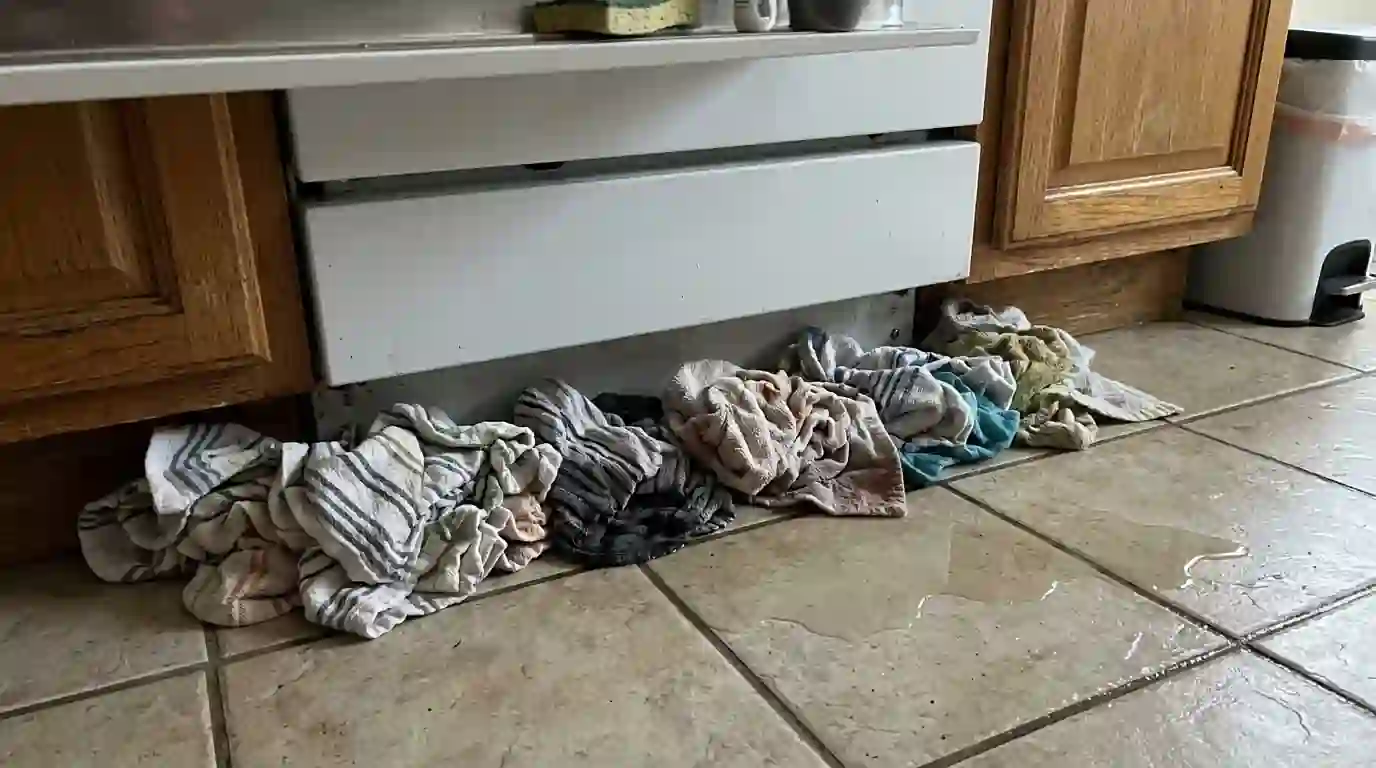
Some failures change the math quickly. A sealed system leak or failed compressor on an older standard refrigerator can cost close to the price of a new unit. A front-load washer with worn bearings and a cracked tub often costs too much to rebuild. Rust through the cabinet or the drum is another sign the machine is near its end.
Repeated failures matter too. If you have repaired the same appliance two or three times in a short span, the remaining parts are likely wearing out together. At that point a new machine with a fresh set of parts may cost less over the next few years than a string of repairs.
Built-in, pro-style and older Valley kitchens change the math
Many kitchens in Encino, Sherman Oaks, Studio City, Calabasas and La Cañada Flintridge were remodeled around built-in Sub-Zero refrigerators, Wolf ranges or Thermador wall ovens. Replacing one of these means matching a cabinet opening, trim kit and gas or electrical hookup. Repair is usually the better value even for major work.
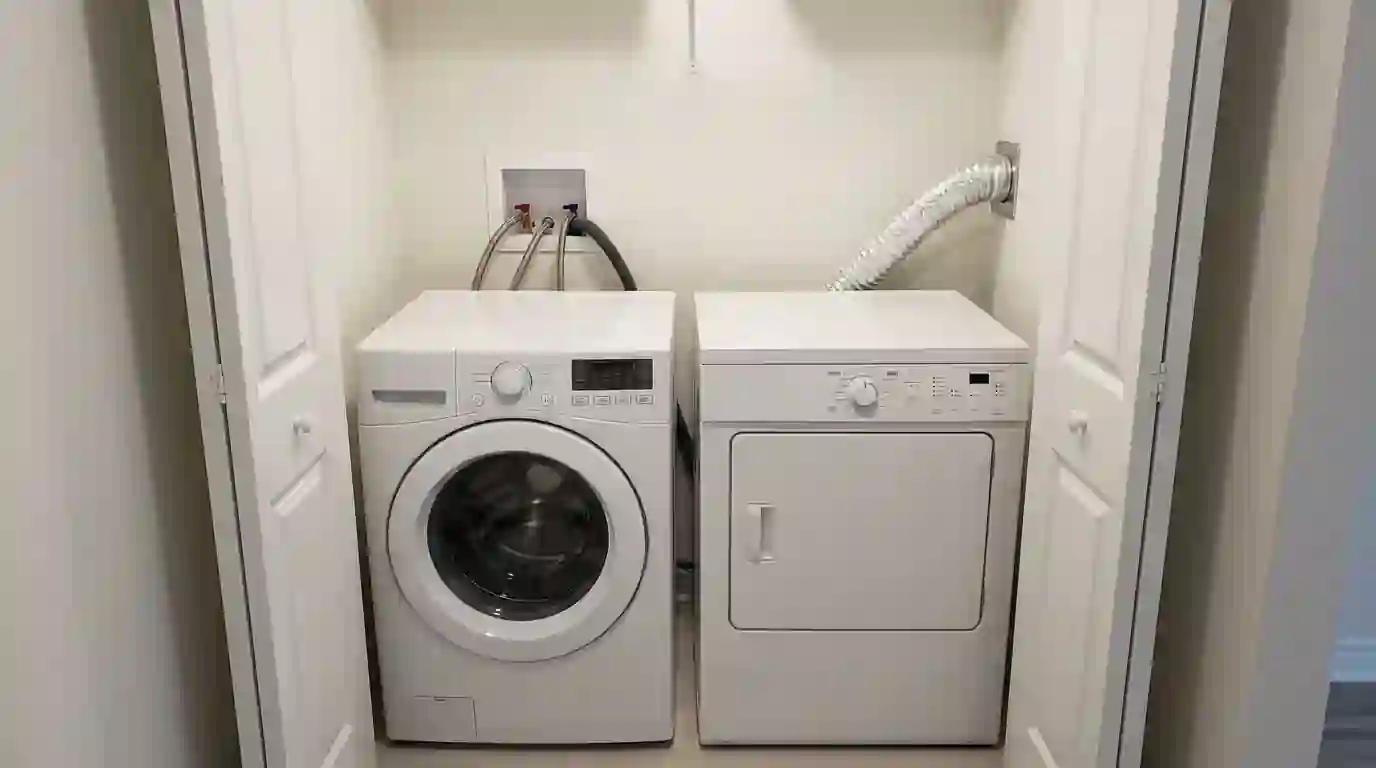
Older ranch homes from the 1940s to 1960s often have tight laundry closets or garage hookups that limit which new machines fit. A new stackable pair may need different venting or a different outlet. Those extra costs belong in the replacement side of the comparison, not just the sticker price.
Energy use, water use and features to weigh
Newer refrigerators, washers and dishwashers generally use less energy and water than models from fifteen or twenty years ago. On a very old refrigerator, especially one running in a hot garage, that difference can add up on your LADWP or city utility bill. It is a fair reason to lean toward replacement on a very old unit.
Features matter less than people expect. A new washer with many cycles is not a better choice if your current machine still cleans well and needs a modest repair. Decide based on reliability, cost and fit first. New features are a bonus, not a reason on their own.
Getting a straight answer before you decide
The best decision starts with an accurate diagnosis. Guessing at the problem from symptoms alone can lead to replacing a machine that only needed a small part. It can also lead to paying for a repair on a machine with a deeper fault nobody found.
Our technician tests the appliance, names the failed part, gives you the price and tells you plainly whether the repair is worth it on that machine. You make the call with real numbers in front of you. If you are weighing repair against replacement, phone us and we will help you sort it out.
Key takeaways
- Compare the machine's age with its rough typical lifespan
- Use the 50 percent rule of thumb as a starting point only
- Built-in and pro-style models are often worth repairing anyway
- Get a real diagnosis before you buy a replacement