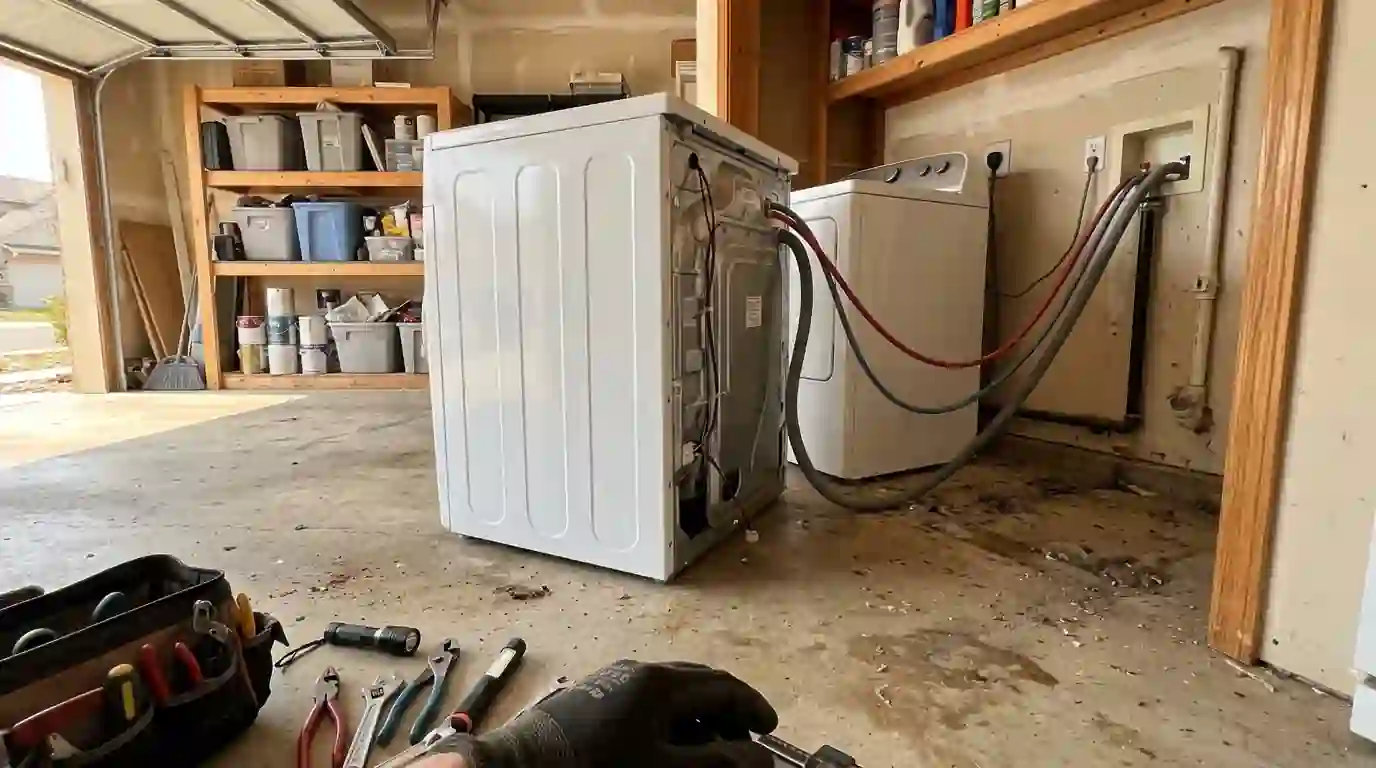
The main dryer vent warning signs are loads that take more than one cycle to dry, clothes and the dryer top that feel very hot, a burning smell, lint around the door or outside hood, and a hood flap that barely opens. Clean the lint screen every load, check the hose behind the dryer and the outside hood, and stop using the dryer if you smell burning.
Why a clogged dryer vent matters more than wasted time
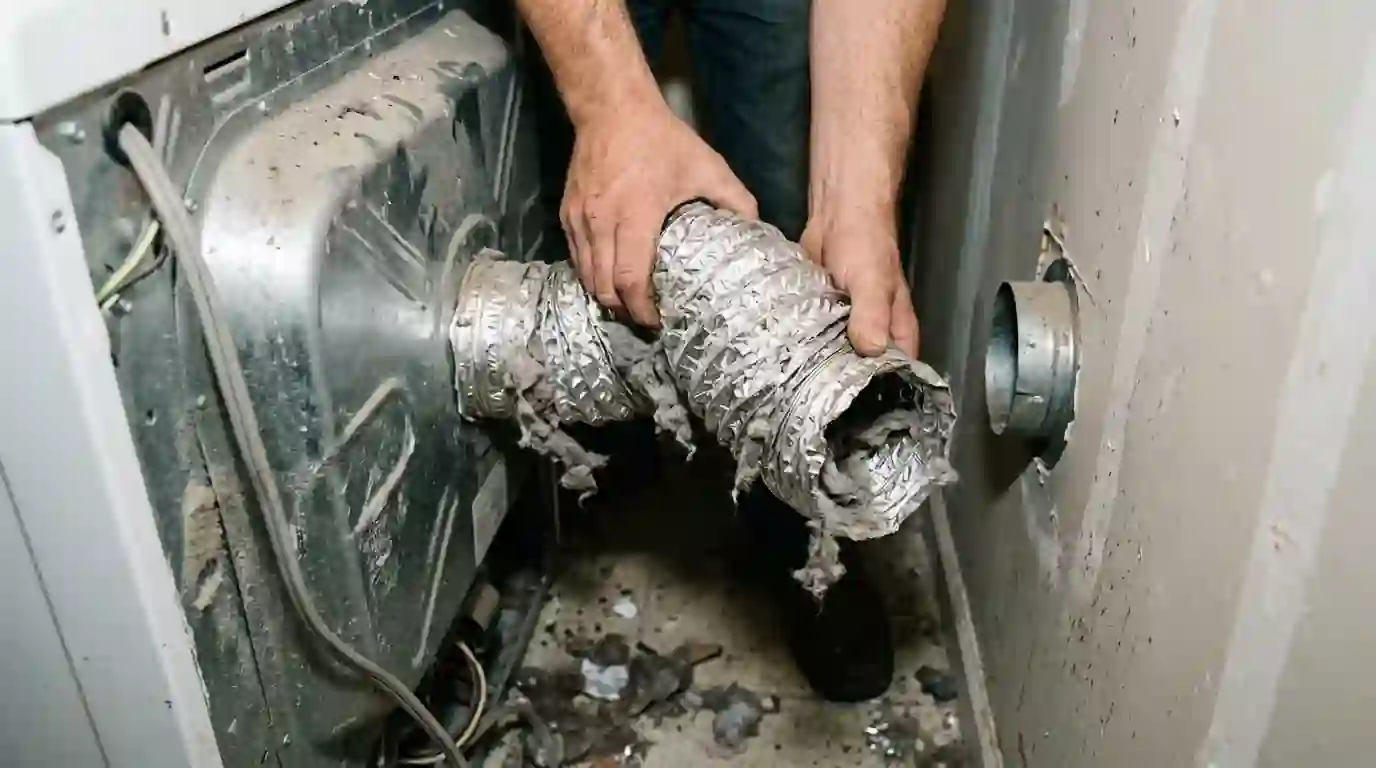
A dryer works by pushing hot, moist air out through the vent. When lint builds in the duct, that air backs up. Clothes take longer to dry, the drum and cabinet run hotter and the dryer's safety parts start working overtime. Lint is also very flammable, so a hot, clogged duct is a real fire risk.
A restricted vent also wears out parts. Heating elements burn out, thermal fuses blow and cycling thermostats fail sooner when the dryer cannot shed heat. Many dryer repair calls we see are really vent problems that cost the homeowner a part as well.
Seven dryer vent warning signs to watch for
Most of these signs show up gradually, so it helps to compare against how the dryer behaved when it was working well. One sign on its own is worth a check. Two or three together point strongly at the vent.
If you notice a burning smell or see scorch marks, stop using the dryer and unplug it, or turn it off at the breaker. For a gas dryer, also turn off the gas shutoff valve behind the machine if you can reach it safely. Do not run another load until the vent and the dryer have both been checked.
- Normal loads need two cycles or more to dry
- The top of the dryer and the clothes feel unusually hot
- A burning or scorched smell during or after a cycle
- Lint collecting around the door seal or on the floor behind
- The outside vent hood flap barely opens while the dryer runs
- The laundry room or garage feels humid and warm after a load
Valley garages, laundry closets and long vent runs
Many 1940s to 1960s ranch homes across the Valley have the dryer in the garage or a narrow laundry closet. Some of those homes have long duct runs through the attic or under the floor, with several bends. Every extra foot and every elbow adds resistance and gives lint a place to settle.
Condos and apartments in North Hollywood, Van Nuys and Sherman Oaks often vent through long shared or interior runs that end on a roof or a far wall. Stackable units tucked into closets usually sit close to the wall, which crushes the flexible hose behind them. A kinked hose restricts airflow just as badly as a clogged duct.
Santa Ana dust and dryer vent hoods
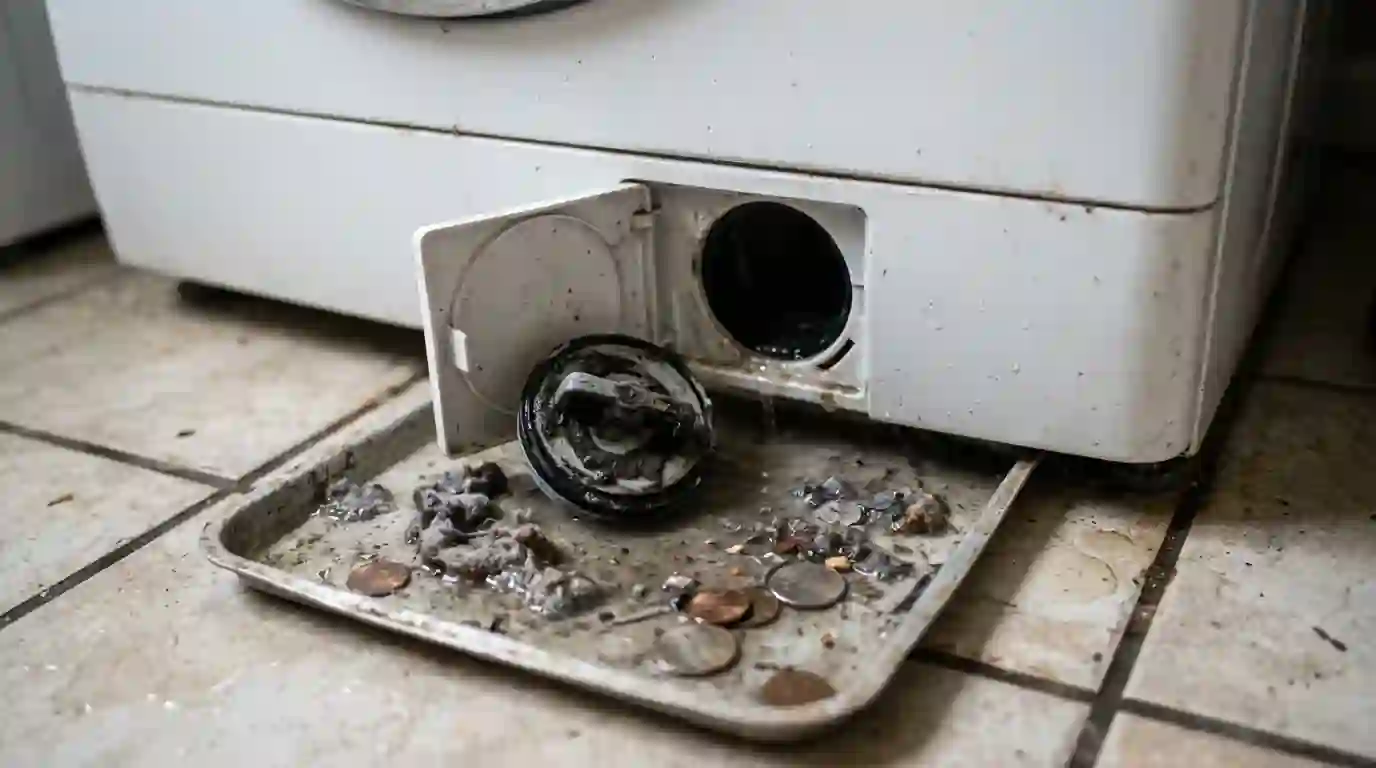
During Santa Ana wind seasons, fine dust blows across the Valley and settles in outside vent hoods. Dust mixes with lint at the hood opening and packs into a damp mat that can hold the flap shut. Birds and wasps also nest in hoods with broken screens or stuck flaps.
After a windy stretch, take a look at the outside hood while the dryer runs. The flap should open freely and you should feel a strong flow of warm air. A weak puff or a flap that stays closed means the exit is blocked or the duct is restricted somewhere along the run.
Dryer vent checks you can safely do yourself
Unplug an electric dryer before moving it, and handle a gas dryer gently so you do not strain the gas connector. These checks need only a flashlight, a vacuum and a few minutes. They catch the most common blockages at the two ends of the vent.
If the duct runs through an attic, a wall or a roof, cleaning the full length takes proper brushes and access. Pushing a brush blindly through a long run can loosen joints or leave a lint plug further down the line. That is a good time to have the vent cleaned professionally.
- Clean the lint screen before every load and wash it if it looks waxy
- Pull the dryer out and look for crushed or kinked transition hose
- Replace thin foil or vinyl hose with semi-rigid or rigid metal duct
- Clear lint and debris from the outside vent hood and flap
- Vacuum the lint screen slot with a narrow crevice tool
How often a dryer vent should be cleaned
Many households do well with a full vent cleaning about once a year. Large families, homes with pets and homes with long duct runs may need it more often. Short, straight runs in a single-story home with light laundry use can sometimes go longer. Gas dryers also deserve regular attention, since a restricted vent can push exhaust back into the laundry space.
The best guide is the dryer itself. If dry times creep up, the cabinet runs hot or lint appears around the hood, clean the vent regardless of the calendar. Cleaning after a long Santa Ana stretch is also a good habit in many Valley neighborhoods.
When the vent is clean and the dryer still runs slow
Sometimes the vent is clear and the dryer still struggles. A failing heating element, a weak gas valve coil, a worn blower wheel or a bad cycling thermostat can all cause long dry times. A blown thermal fuse can stop the dryer completely, and it usually blows because of past overheating.
We clean dryer vents and test the dryer at the same visit, so you are not left guessing which part is at fault. Our technician checks airflow at the hood, tests the heat circuit and gives you the price before any work starts. If your dryer shows these warning signs, call us at any hour.
Key takeaways
- Long dry times and a hot dryer top are early vent warnings
- Stop using the dryer and unplug it if you smell burning
- Check the hose behind the dryer and the outside hood flap
- Plan a full vent cleaning about once a year for most homes