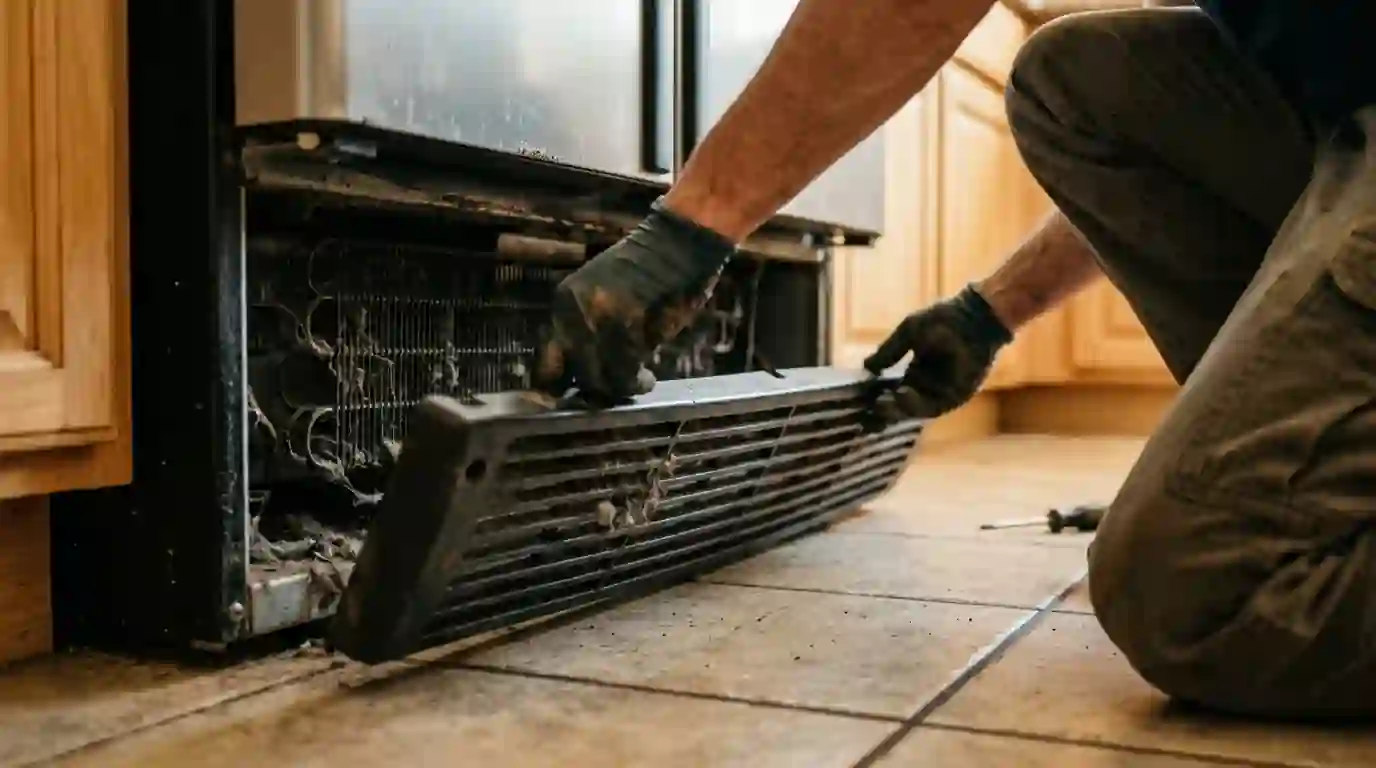
Refrigerators push heat out through a condenser coil, and that job gets harder as the kitchen or garage around them gets hotter. In a Valley heat wave the compressor runs longer, dusty coils and a weak condenser fan make it worse, and tired door gaskets let warm air in. Clean the coils, give the unit room to breathe, check the gaskets and keep the fridge at 37°F to 40°F.
How a refrigerator moves heat, and why hot rooms slow it down
A refrigerator does not make cold. It pulls heat out of the food compartments and releases it into the room through the condenser coil, usually under the unit or across the back. The compressor pumps refrigerant through that coil while a condenser fan pushes room air across it. The cooler the room air, the faster that heat leaves.
When a kitchen sits at 85°F on a 105°F afternoon in Sun Valley or Woodland Hills, the gap between the coil and the room shrinks. The compressor has to run longer to shed the same heat, and on the worst days it may barely cycle off. That steady running is when weak parts show themselves. A unit that coped fine in April can fall behind in August.
Which refrigerator parts give out first during a heat wave
Long run times put the most stress on the parts that move air and start the compressor. We see the same handful of failures every summer across the Valley, and most of them give warning before the food spoils. If you notice any of these, the refrigerator is telling you it is losing the fight.
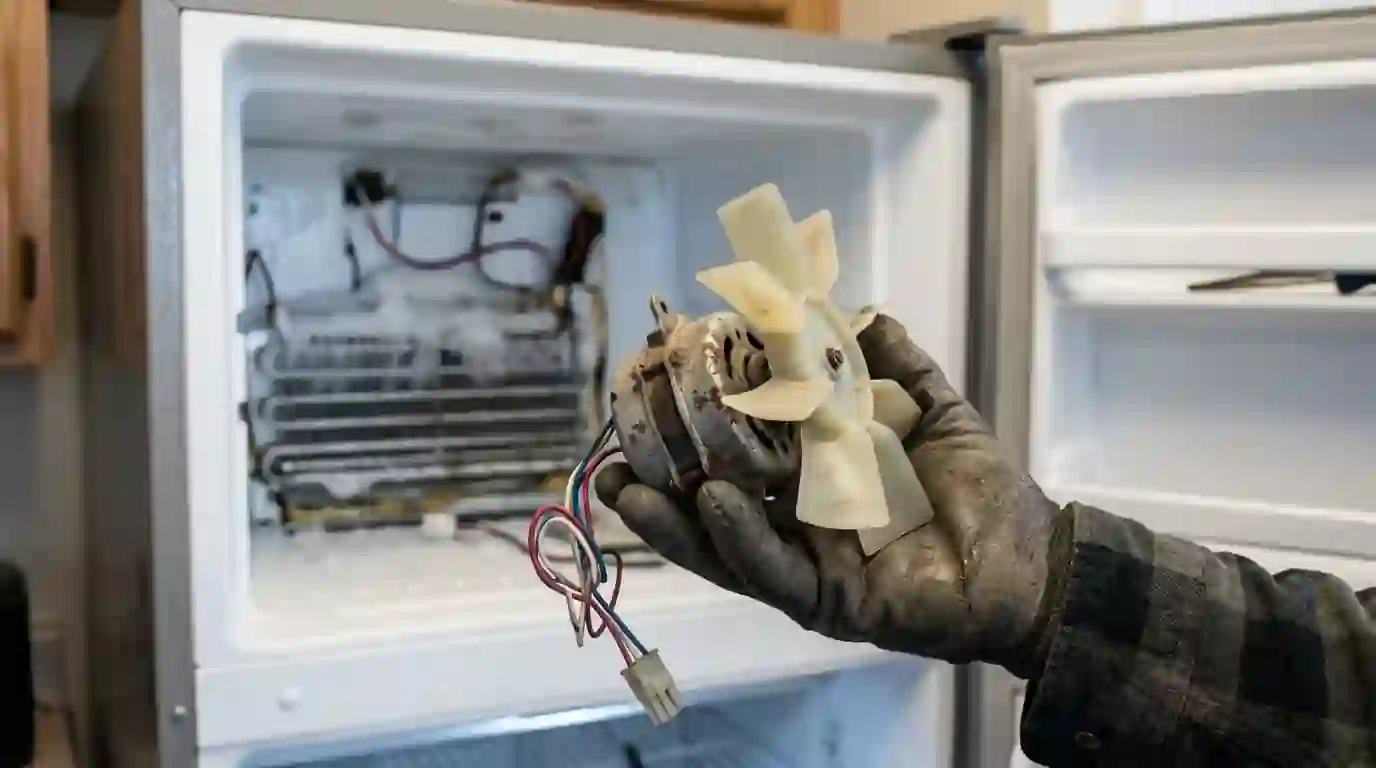
A failing condenser fan is the classic summer call. The coil gets hot, the compressor overheats and trips its overload, and the fridge goes quiet for a while before trying again. A worn start relay causes the same click and silence pattern. Either one leaves the cabinet warming slowly through the afternoon.
- Condenser fan motor: slows or stalls, so the coil overheats
- Start relay and overload: clicks while the compressor fails to start
- Evaporator fan motor: freezer stays cold while the fresh food side warms
- Defrost heater or thermostat: frost chokes the evaporator coil
- Door gaskets: torn or flattened seals let hot kitchen air inside
Why dusty condenser coils cost you cooling in August
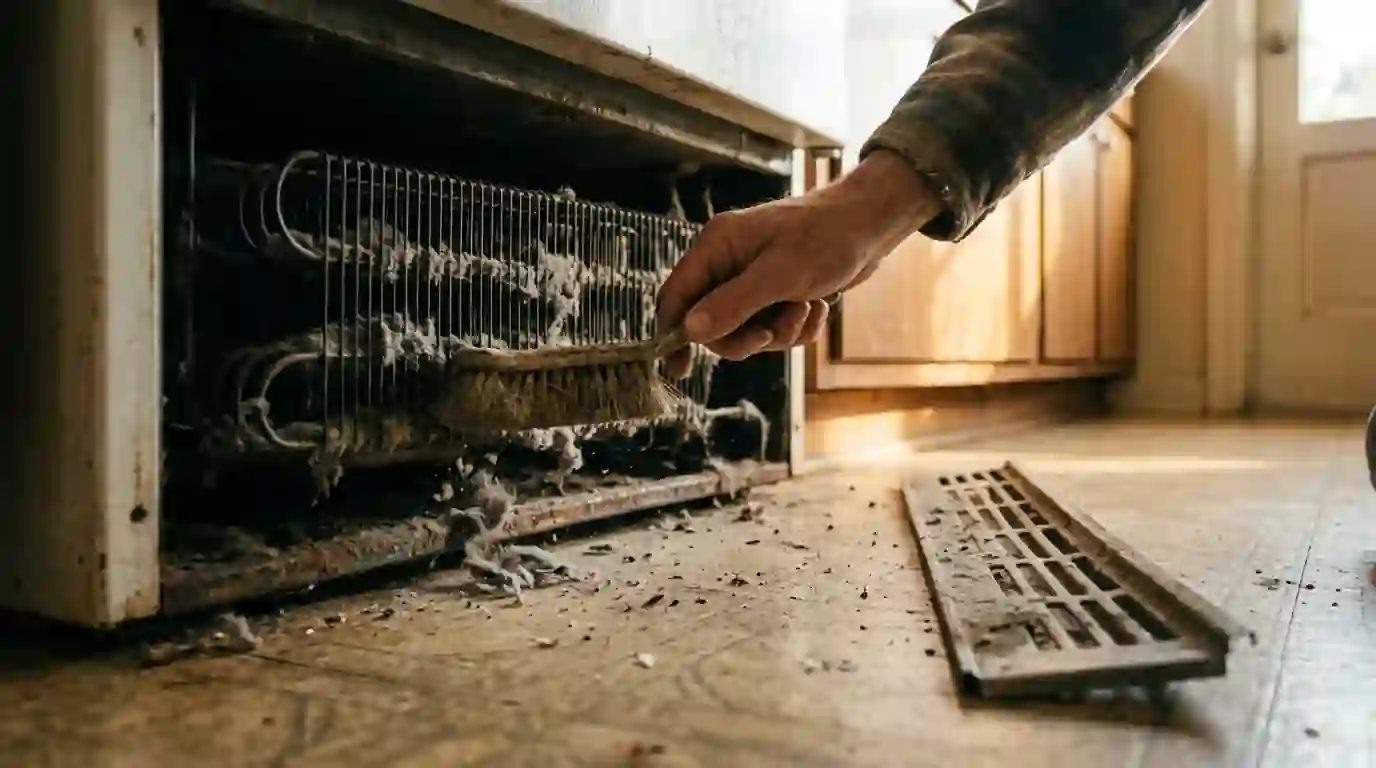
Condenser coils collect lint, pet hair and kitchen grease all year. In the Valley, Santa Ana wind seasons add a layer of fine dust that settles under the toe grille. A blanket of dust acts like insulation, so the coil cannot shed heat even when the fan is working. The result is a compressor that runs hot and long.
Cleaning the coils once or twice a year is the cheapest thing you can do for a refrigerator. Unplug the unit first. Remove the front grille or the rear access panel, then use a coil brush and a vacuum to lift the dust out. Work gently so you do not bend the thin fins or press on the refrigerant tubing.
Built-in and alcove refrigerators need room to breathe
Many kitchens in Encino, Sherman Oaks, Studio City and Calabasas were remodeled with built-in refrigerators or standard units pushed into tight cabinet alcoves. Built-in models such as Sub-Zero and Thermador are designed to vent through a top or front grille, and that grille has to stay clear. Standard units need the clearance listed in their installation guide at the back, sides and top.
Problems start when a cabinet above the fridge traps hot air or a decorative panel blocks the vent. We also see refrigerators placed beside a range, or in a spot where afternoon sun hits the side panel through a west-facing window. Each of those adds heat the machine has to remove. Moving a fridge a few inches or opening a blocked vent can make a real difference.
Home checks to run before the food starts warming
Most of these checks take a few minutes and need nothing more than a thermometer and a flashlight. Unplug the refrigerator before you touch the coils or the grille. Leave anything involving refrigerant lines, the compressor or wiring to a technician.
Aim for 37°F to 40°F in the fresh food section and 0°F in the freezer. If the reading drifts above 40°F on hot afternoons and recovers at night, the system is running at its limit. If it never recovers, a part has likely failed.
- Leave a thermometer in a glass of water on the middle shelf overnight
- Close a dollar bill in the door and tug it to test the gasket grip
- Listen for the condenser fan near the compressor at the bottom rear
- Clear boxes and bags from the top vent and the toe grille
- Leave space between items so cold air can circulate inside
Keeping food safe while the refrigerator falls behind
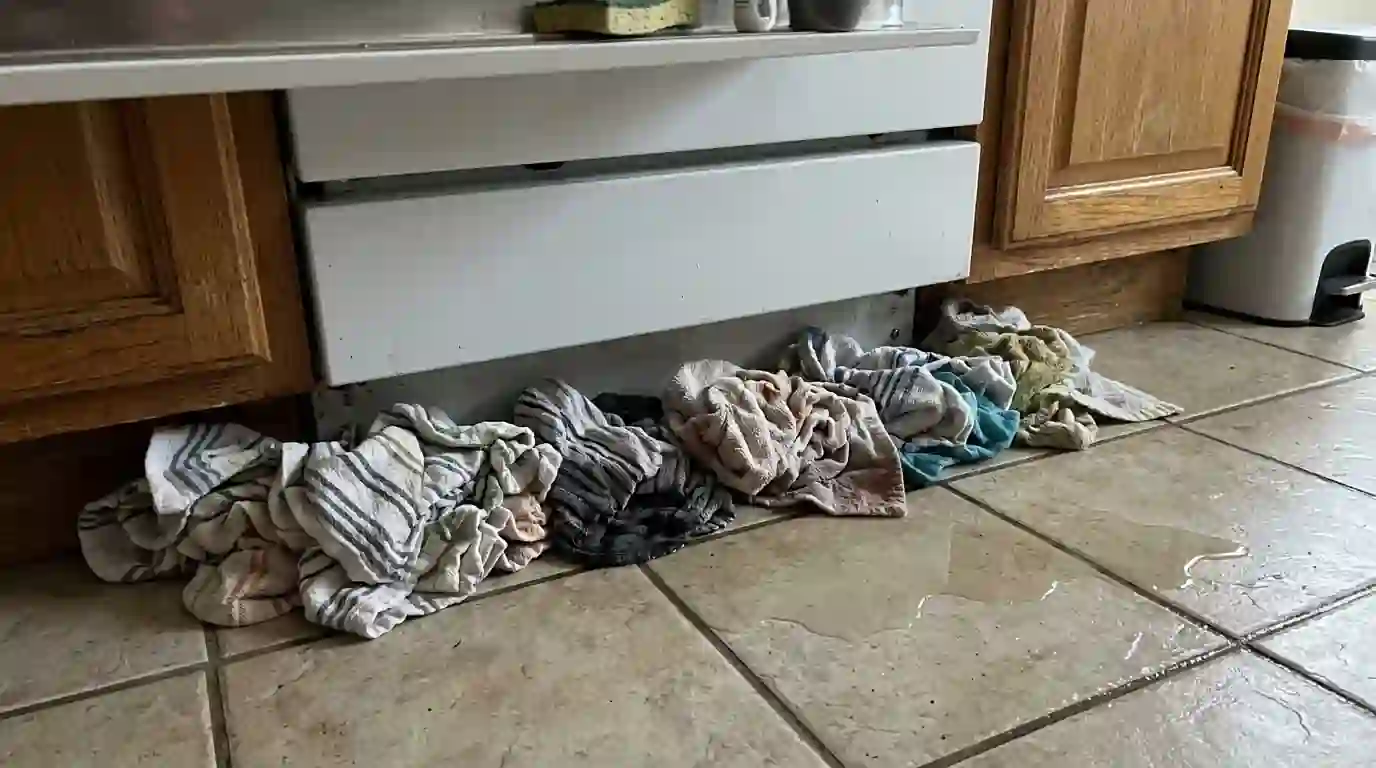
Perishable food held above 40°F for more than two hours becomes a safety concern, so act once the thermometer climbs. Move milk, meat, leftovers and any refrigerated medicine into a cooler with ice while you sort out the problem. Keep the doors closed as much as you can. A full freezer holds its cold longer than an empty one, so do not empty it unless it is clearly thawing.
If you also keep a second refrigerator in the garage, remember that it faces the same heat with less protection. Garage units in Northridge, Granada Hills and Chatsworth often fail before the kitchen fridge does. Check both during a heat wave, and move the most perishable food to whichever one is holding temperature.
When a summer cooling problem needs a technician
Call for service when the refrigerator stays above 40°F after you have cleaned the coils and cleared the vents. The same goes for a compressor that clicks on and off without running, or a freezer that stays cold while the fresh food side warms. Those patterns point to a fan motor, start relay, defrost part or sealed system issue, and none of them are practical to fix without proper tools and parts.
Our technician tests the fans, the start components, the defrost circuit and the temperatures at the coils before naming a repair. You get the price before any work begins. If your refrigerator is struggling in this heat, call us at any hour and we will give you an arrival window on the call.
Key takeaways
- Hot rooms make the compressor run longer and expose weak parts
- Clean the condenser coils once or twice a year, with the unit unplugged
- Keep built-in and alcove vents clear and leave room around the cabinet
- Hold 37°F to 40°F in the fridge and 0°F in the freezer